


For years, we’ve been taught to fear the sun. The Sun is bad for your skin. Stay out of the sun and you better lather on sunscreen. Lets dive deep into skin biology to understand "Is the Sun Bad for Your Skin'?
Wrinkles, skin cancer, premature aging — mainstream beauty and dermatology industries have pushed a message that sunlight is dangerous. But what if we’ve been told only half the story — and lost sight of how sunlight interacts with our skin biology?
What if the real problem isn’t sunlight… but the way we interact with it — and the oxidative stress caused by poor skincare, poor diet, seed oils, and incomplete light?
Let’s unpack the full truth.
The Famous Truck Driver Photo: Misinformation in Motion
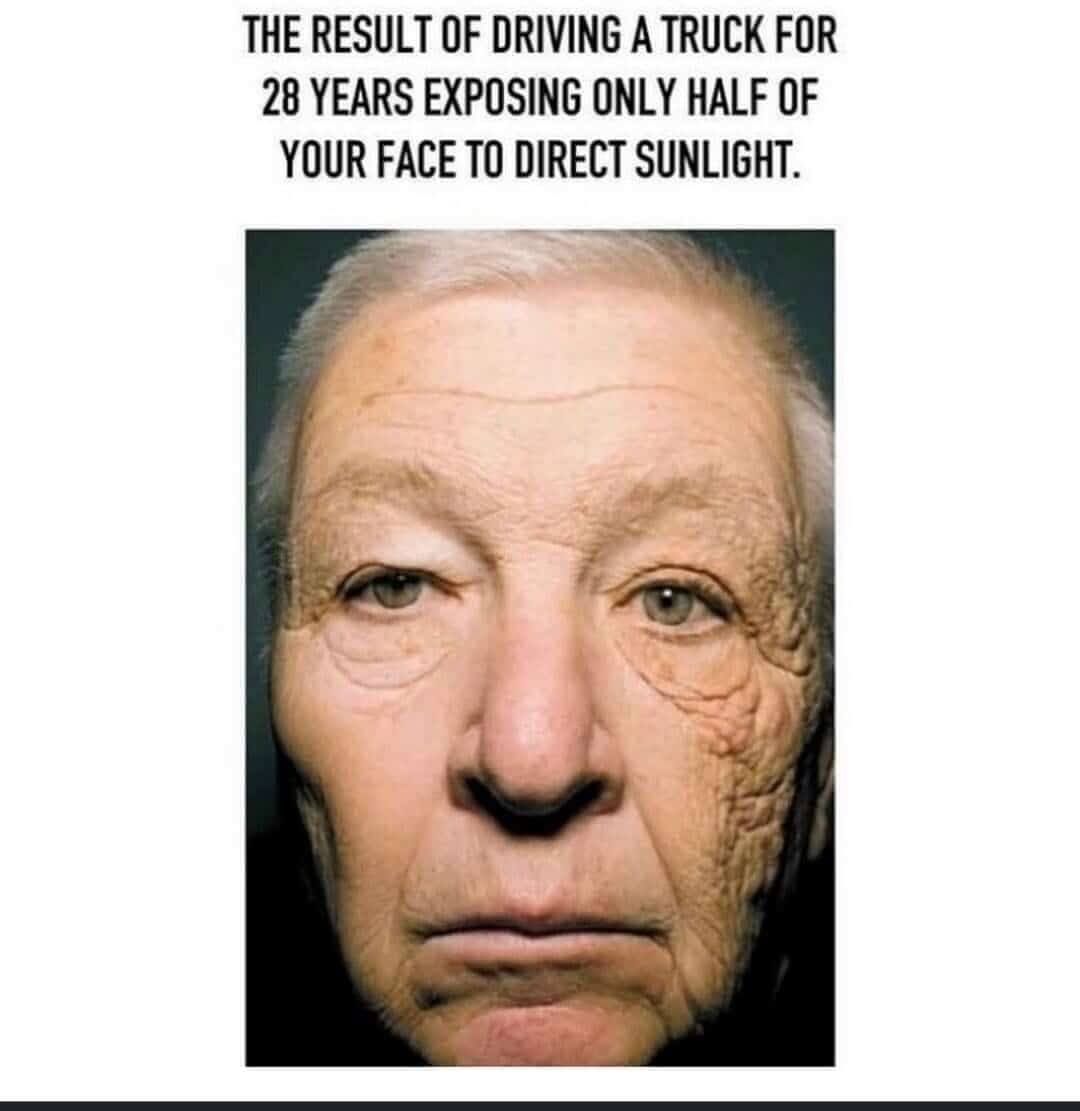
He wasn’t getting full sunlight exposure.
He was exposed to UV-A light only, through glass.
He received no UV-B or infrared, which are essential parts of full-spectrum sunlight.
Glass blocks UV-B (responsible for vitamin D synthesis) and infrared (deep tissue healing and mitochondrial support). The result? Incomplete, imbalanced light exposure — and oxidative damage.
Sunlight isn’t the enemy. Distorted light without biological context is.
Full-Spectrum Light vs. Partial Light: Why It Matters
True sunlight includes:
UV-B: Triggers vitamin D production and immune signaling
UV-A: Can contribute to aging — but in balance with UV-B and antioxidants, it’s manageable
Infrared (IR-A): Promotes healing, reduces inflammation, and supports mitochondrial health
Visible Light & Biophotons: Regulate circadian rhythm, hormone function, and neurotransmitter balance
When you strip sunlight down to only UV-A (like behind glass or in tanning beds), you’re exposing skin to a damaging fraction of the spectrum without its natural protective elements.
Your Skin Is a Light Receptor
Your skin isn’t just a passive barrier. It’s a dynamic, light-interfacing organ — and part of a much larger biological system.
Your skin biology is built to read light and respond through hormonal, neurological, and mitochondrial pathways. It contains:
Photoreceptors that respond to full-spectrum light
Biophotons, the light-based communication between cells
Mechanisms to regulate circadian rhythm, hormone balance, neurotransmitters, and immune health
Exposure to morning sunlight, unfiltered through glass or sunscreen, tells your body:
“It’s time to make serotonin.”
“It’s time to wake up and activate immune cells.”
“It’s time to produce vitamin D and nitric oxide.”
Sunlight is a biological cue — not a cosmetic enemy.
The Hidden Skin Aging Factor Most People Don’t Know About: Artificial Blue Light
For years, the skincare conversation has focused almost entirely on UV light from the sun.
But modern humans are now exposed to something our ancestors never experienced at this intensity:
Artificial blue light from screens, LEDs, phones, tablets, office lighting, televisions, and indoor environments.
And here’s what most people don’t realize:
Blue light (also called HEV light — High Energy Visible light) penetrates deeper into the skin than UVB and can contribute to oxidative stress, collagen breakdown, hyperpigmentation, inflammation, and premature skin aging.
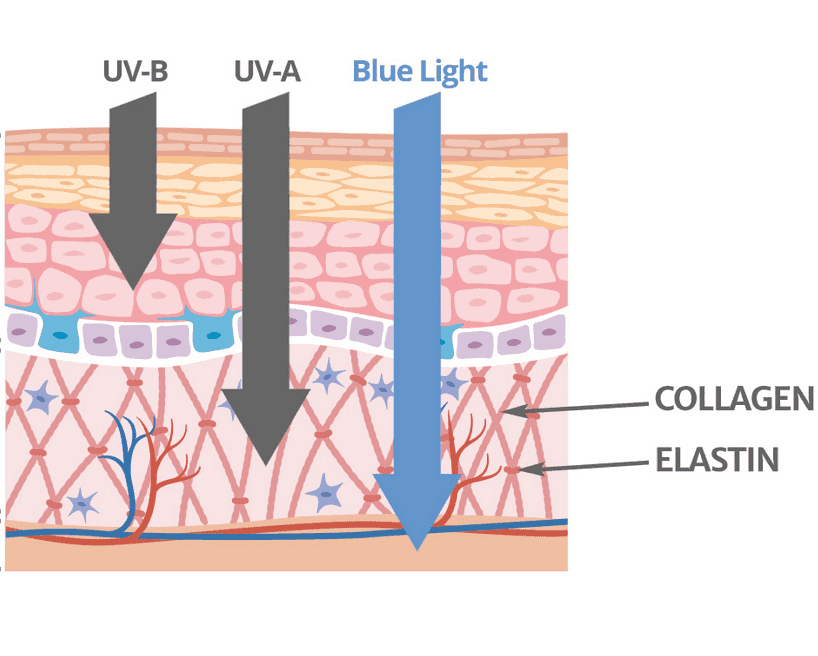
This means many people are spending 8–14 hours per day under biologically unnatural light while fearing the sun for 20 minutes outside.
That’s a problem.
Blue Light Penetrates Deep Into the Skin
Unlike UVB, which mainly affects the surface of the skin, blue light can penetrate into deeper layers where collagen, elastin, fibroblasts, and structural proteins live.
Research suggests blue light exposure can:
- Increase reactive oxygen species (ROS)
- Accelerate oxidative stress
- Trigger inflammation
- Contribute to collagen degradation
- Worsen pigmentation and melasma
- Disrupt the skin barrier
- Increase photoaging over time
And unlike natural sunlight, artificial blue light is often experienced without the balancing frequencies found in full-spectrum sunlight — such as infrared and red light, which help support repair and mitochondrial function.
This creates an imbalanced light environment our biology was never designed for.
The Difference Between Natural Sunlight and Artificial Blue Light
Natural sunlight is full-spectrum and biologically intelligent.
It includes:
☀️ Red light
☀️ Infrared light
☀️ UV-A
☀️ UV-B
☀️ Visible light
These wavelengths work together in balance.
But modern indoor environments are dominated by isolated artificial blue light from:
- Phones
- Computer screens
- LED bulbs
- Office lighting
- TVs
- Tablets
- Indoor commercial lighting
This is very different from being outside in nature under balanced sunlight.
Your mitochondria, hormones, circadian rhythm, neurotransmitters, and skin biology evolved with the rhythm of the sun — not constant artificial LED exposure at midnight.
Why Artificial Blue Light May Accelerate Premature Aging
Your skin contains chromophores and photoreceptors that absorb light energy.
When exposed to excessive artificial blue light, the skin can experience:
- Increased free radical formation
- Lipid peroxidation
- Mitochondrial stress
- Reduced antioxidant reserves
- Increased matrix metalloproteinases (MMPs), which break down collagen
Over time, this may contribute to:
- Fine lines
- Wrinkles
- Loss of elasticity
- Uneven tone
- Hyperpigmentation
- Dullness
- Barrier dysfunction
In many ways, modern skin aging may be less about healthy sunlight exposure — and more about chronic oxidative stress from modern indoor living.
The Skin Was Designed to Use Antioxidants as Protection
Your body already has a built-in antioxidant defense system designed to help neutralize oxidative stress from light exposure.
This includes endogenous antioxidants like:
- Glutathione
- Superoxide dismutase (SOD)
- Catalase
But modern life rapidly depletes these systems through:
- Artificial blue light exposure
- Chronic stress
- Poor sleep
- Processed foods
- Environmental toxins
- Inflammatory seed oils
- Pollution
This is why supporting your antioxidant defense pathway is so important.
Supporting the Skin Against Blue Light Stress
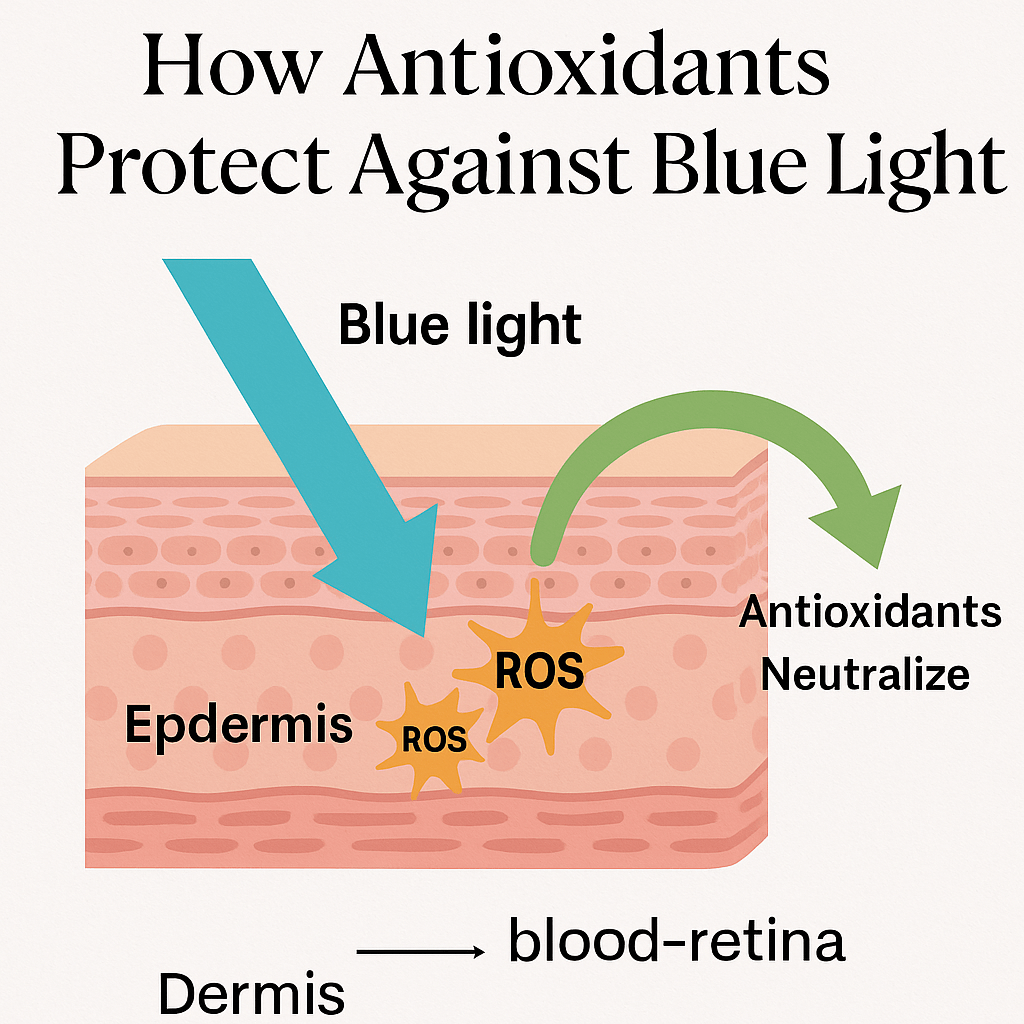
Prioritizing Antioxidant-Rich Nutrition
High ORAC antioxidants help support the body’s natural resilience mechanisms.
Some powerful antioxidants include:
- Organic astaxanthin
- Clove
- Cacao
- White tea
- Polyphenol-rich herbs
- Berries
Astaxanthin is especially interesting because studies suggest it may help support collagen integrity and reduce oxidative stress caused by UV and visible light exposure.
Skin Barrier Support Matters
Healthy skin is more resilient to environmental stress.
At Luxe Beauty, we formulate with antioxidant-rich ingredients that support the skin barrier instead of overwhelming it with harsh ingredients or unstable oils.
This includes ingredients like:
- Organic astaxanthin
- Organic clove
- Gamma-oryzanol
- Organic jasmine oil
- Raspberry seed oil
- Rosehip fruit oil
These ingredients help support the skin’s natural defense systems while nourishing the barrier and helping combat oxidative stress.
Modern Life Has Changed Our Light Environment
For most of human history, people lived outdoors under full-spectrum sunlight and darkness at night.
Today many people:
- Wake up under LEDs
- Work indoors all day
- Stare at screens for 10+ hours
- Spend evenings under artificial light
- Rarely experience true darkness
- Rarely experience sunrise or sunset light
This affects not only the skin — but also circadian rhythm, sleep quality, hormones, mitochondrial health, and overall vitality.
The conversation around skin aging needs to evolve beyond simply “fear the sun.”
Because the modern environment is far more complex than that.
The Future of Skin Health Is Understanding Skin Biology
The goal isn’t avoiding all light.
The goal is understanding the difference between:
- Full-spectrum natural sunlight
- Isolated artificial blue light
- Balanced oxidative stress
- Chronic inflammatory stress
Your skin evolved with nature — not with endless artificial light exposure.
At Luxe Beauty, we believe skincare should support your biology, not work against it.
Because true skin health isn’t about hiding from nature.
It’s about supporting the body the way it was intelligently designed
The Forgotten Benefits of Bare Skin in the Sun
To receive the full benefits of sunlight, your skin must be bare — not covered in sunscreen, makeup, or synthetic skincare ingredients that interfere with light absorption.
When bare skin interacts with full-spectrum light, your body can:
Synthesize vitamin D3 — a hormone-like nutrient critical for immunity, bone health, and gene expression
Produce nitric oxide, improving blood flow and reducing inflammation
Activate the mitochondria (your cells’ energy centers), enhancing cellular repair
Stimulate fibroblasts, promoting collagen synthesis and tissue regeneration
Regulate melatonin and serotonin, improving sleep, mood, and hormone function
This isn’t just about glow — it’s about longevity, vitality, and aligned skin biology.
Why Synthetic Vitamin D Isn’t the Same As Vitamin D From the Sun
You can’t mimic sunlight in a capsule.
Vitamin D synthesized from sun exposure is bioavailable, self-regulating, and accompanied by cofactors like cholesterol sulfate and nitric oxide — none of which are produced by supplements.
Oral vitamin D may raise serum levels, but it’s not a substitute for the hormonal cascade triggered by full-spectrum light.
In short: the sun isn’t optional. It’s essential.
A Forgotten History of Sunlight Healing
In the early 20th century, Dr. Auguste Rollier, a Swiss physician, pioneered heliotherapy — the therapeutic use of sunlight — at his clinic in Leysin, Switzerland.
Patients would spend their days sunbathing on open-air terraces high in the Alps. His results were remarkable:
☀️ Rollier successfully treated thousands of patients with conditions like lupus vulgaris (tuberculosis of the skin), rickets, wounds, and chronic infections — all through carefully dosed, progressive sun exposure.
Even hospitals once had sun balconies, and doctors routinely told mothers to bring their babies outside every morning. Before antibiotics, sunlight was medicine.
We’ve forgotten what our ancestors knew: The sun is not the enemy. It’s nourishment — when used wisely.
The Real Problem: Oxidative Stress
Sun-related skin damage doesn’t come from light alone. It comes from unprotected exposure in a state of oxidative vulnerability caused by:
Diets high in inflammatory seed oils (rich in linoleic acid)
Skincare made with unstable oils and synthetic irritants
A depleted antioxidant defense system — your body’s natural resilience mechanism
In this state, sunlight becomes damaging not because of the light, but because your skin biology is overwhelmed and unsupported.
How to Support Your Skin in the Sun
1. Build Your Antioxidant Defense System
Your skin has its own biological defense network. It produces glutathione, catalase, and superoxide dismutase as part of your endogenous antioxidant defense system — but modern life depletes these internal antioxidants.
Support with Exogenous Antioxidants. Consume High ORAC Antioxidants everyday.
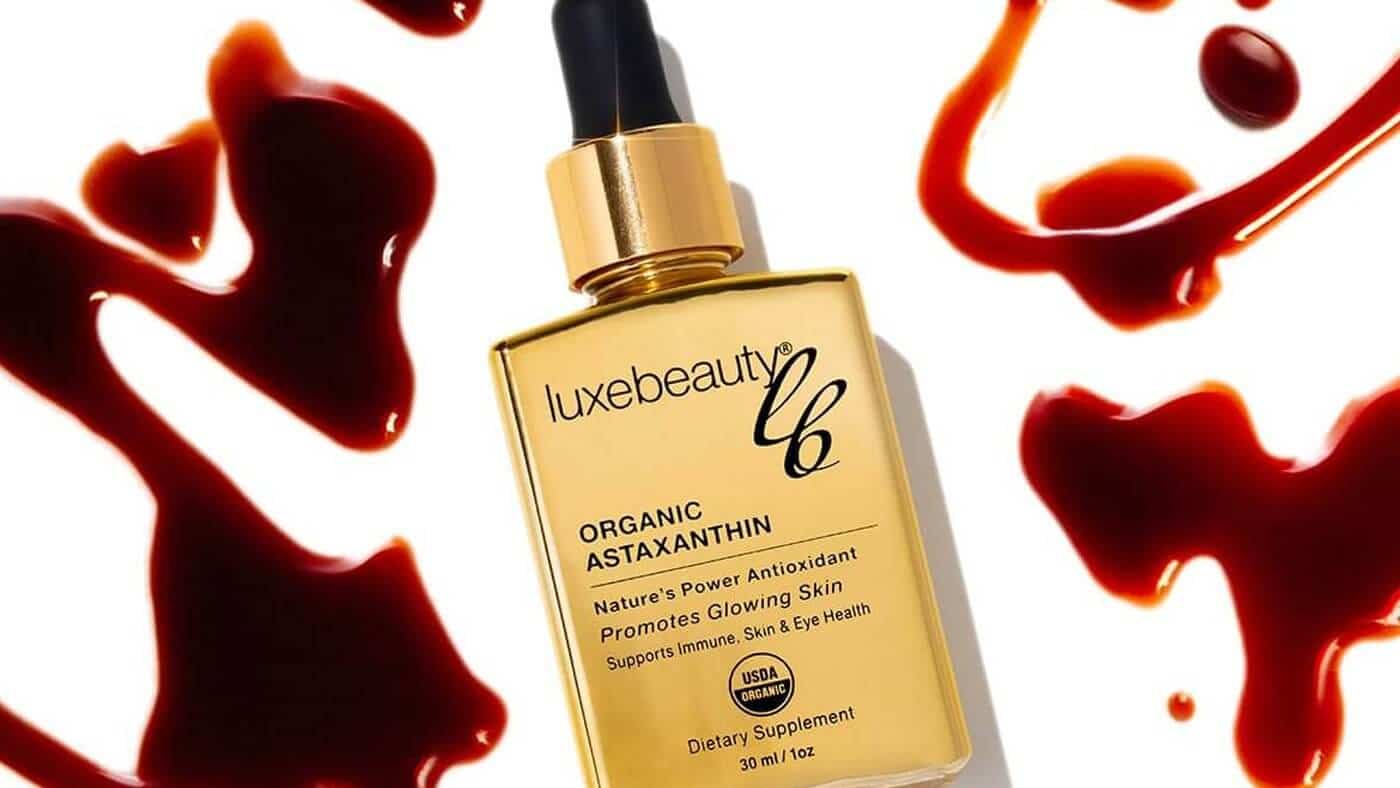
Organic astaxanthin (shown to reduce UV-induced collagen breakdown)
Polyphenols from herbs (clove has the highest ORAC value), cacao, and berries
Whole-food vitamin C
2. Avoid Inflammatory Seed Oils
Linoleic acid from sunflower, safflower, canola, and corn oils oxidizes rapidly — especially in sunlight — and integrates into your skin’s lipid matrix, weakening your barrier.
At Luxe Beauty, we never use cheap seed oils — only cold-pressed, antioxidant-rich botanicals that support your skin biology.
3. Honor the Timing of Light
Expose your skin to morning sunlight — without sunscreen, through no glass. Just a few minutes tells your body: “You’re safe. It’s time to glow.”
This resets your circadian rhythm, improves serotonin, and stimulates mitochondrial repair.
4. Topical Support with the Right Lipids
Use skincare that strengthens your barrier and supports light interaction — not light blocking.
Luxe Beauty’s Glow Power Serum is formulated to work with the sun, not against it. It includes:
Organic astaxanthin, a powerful carotenoid that supports collagen and reduces UV stress
Organic Clove- The highest ORAC ( (Oxygen Radical Absorbance Capacity) antioxidant among food. Ground cloves have been reported to have an ORAC score of 314,446, which is significantly higher than many other foods like broccoli (3,083).
Rosehip fruit oil (not seed), rich in barrier-supportive vitamins
Cold-pressed raspberry seed oil, known for natural UV-protective properties
Organic jasmine oil and gamma-oryzanol — botanicals once used by ancient Egyptians for sun protection
These ingredients buffer oxidative stress, support fibroblast activity, and align with your skin biology’s natural light intelligence.
Final Thoughts: Reclaiming Our Relationship With the Sun.
We don’t live on a dark planet by accident.
Sunlight isn’t a mistake — it’s a master regulator of skin biology, mitochondrial health, mood, immunity, and collagen.
You weren’t meant to hide from the sun.
You were meant to interface with it — wisely, intentionally, and beautifully.
At Luxe Beauty, we don’t create skincare to block biology.
We create rituals that support your body’s original brilliance.
✨ The sun isn’t your enemy and now you know the sun is not bad for you. Fear is.
Let your glow rise with the light.
Sources:
Chevalier G et al. (2017) The Biophysics of Sunlight and Human Health
Stahl W, Sies H. (2012) Astaxanthin: Powerful Antioxidant Protects Against UV Damage
Weller R. (2009) Sunlight Has Cardiovascular Benefits Independently of Vitamin D
Rollier A. (1916) Heliotherapy: Medical Use of Sunlight in Switzerland (via Wellcome Collection